
Tuesday, July 14 Denver, Colorado
Loading weather…
Queen City of the Plains Vol. IX · No. 07

Local news, culture & dining

The Mile High Monthly Edition

A Beginner’s Guide to MMA: Everything You Need to Know to Get Started


Mixed Martial Arts (MMA) has surged in popularity in recent years, captivating audiences around the world with its fast-paced action, adrenaline-pumping fights, and diverse array of fighting styles. If you’re new to MMA and eager to learn more about this dynamic combat sport, you’ve come to the right place. In this beginner’s guide to MMA, we’ll cover everything you need to know to get started, from the basics of the sport to tips for training and competing.

What is MMA?

MMA is a full-contact combat sport that combines techniques from various martial arts disciplines, including boxing, Muay Thai, Brazilian Jiu-Jitsu, wrestling, and judo. Unlike traditional martial arts, which focus on specific techniques or styles, MMA allows fighters to use a wide range of striking and grappling techniques to defeat their opponents. Matches take place in a ring or cage and can be won by knockout, submission, or judges’ decision.

The Basics of MMA Fighting Styles

To excel in MMA, fighters must be proficient in both striking and grappling techniques. Striking techniques include punches, kicks, elbows, and knees, while grappling techniques involve takedowns, ground control, and submission holds. Fighters often specialize in one or more martial arts disciplines but must also be well-rounded and adaptable to succeed in the diverse and unpredictable environment of MMA competition.

Training for MMA

Training for MMA requires a combination of physical conditioning, technical skill development, and mental preparation. Fighters typically engage in a variety of training methods, including striking drills, sparring sessions, grappling practice, strength and conditioning workouts, and cardiovascular training. In addition to physical training, mental toughness, discipline, and strategy are also crucial aspects of MMA preparation.

Rules and Regulations

Like any sport, MMA has rules and regulations designed to ensure the safety of the fighters and promote fair competition. Some common rules include prohibitions on eye gouging, groin strikes, and strikes to the back of the head. Fighters must also adhere to weight classes and are subject to drug testing to prevent the use of performance-enhancing substances. Familiarizing yourself with the rules and regulations of MMA is essential for both competitors and fans alike.

Finding a Gym

If you’re interested in learning MMA, finding a reputable gym with experienced coaches and training partners is crucial. Look for gyms that offer classes in various martial arts disciplines, as well as structured MMA training programs tailored to beginners. Be sure to visit different gyms, talk to instructors, and observe classes to find the right fit for your goals and preferences.

Safety and Injury Prevention

While MMA is a physically demanding sport, safety should always be a top priority. Proper warm-up and stretching before training, wearing protective gear such as mouthguards and shin guards, and using proper technique during drills and sparring can help reduce the risk of injury. It’s also essential to listen to your body, rest when needed, and seek medical attention for any injuries or pain.

Nutrition and Recovery

Nutrition and recovery play a crucial role in the performance and well-being of MMA fighters. Proper nutrition, hydration, and supplementation are essential for fueling workouts, promoting muscle recovery, and supporting overall health and performance. Adequate sleep, rest, and recovery strategies such as massage, stretching, and ice baths are also important for preventing overtraining and maximizing recovery between training sessions.

Getting Started as a Competitor

If you’re interested in competing in MMA, there are several steps you can take to start your journey as a fighter. Begin by honing your skills and gaining experience through training and sparring at your gym. As you progress, consider entering amateur competitions or grappling tournaments to test your skills in a competitive setting. Be prepared to devote time, effort, and dedication to your training and to continually strive for improvement as you work towards your goals as an MMA fighter.

Enjoying MMA as a Spectator

Even if you’re not interested in competing in MMA yourself, you can still enjoy the excitement and spectacle of the sport as a spectator. Watching live events, such as UFC fights or local MMA promotions, can be a thrilling and entertaining experience, providing an opportunity to witness world-class athletes in action and cheer on your favorite fighters. Follow MMA news, analysis, and commentary from trusted sources to stay informed about the latest developments and trends in the sport.

In conclusion, MMA is an exhilarating and dynamic combat sport that offers something for everyone, whether you’re a beginner looking to learn new skills, a seasoned competitor seeking to test your abilities, or a fan eager to witness the excitement of live fights. By understanding the basics of MMA fighting styles, training methods, rules and regulations, and safety considerations, you can embark on your journey into the world of MMA with confidence and enthusiasm. Whether you’re stepping into the gym for the first time or cheering from the sidelines, MMA offers endless opportunities for learning, growth, and enjoyment.


Exploring Rollerblading: The Thrilling World of Extreme Sports

Rollerblading, also known as inline skating, is an exhilarating sport that combines speed, agility, and adrenaline-pumping excitement. With its roots tracing back to the 1980s and 1990s, rollerblading has evolved into a diverse and dynamic activity enjoyed by millions of enthusiasts around the world. In this article, we’ll dive into the thrilling world of rollerblading, exploring its history, techniques, benefits, and why it continues to captivate thrill-seekers of all ages.

A Brief History of Rollerblading

Rollerblading first gained popularity in the late 20th century, thanks to the invention of the inline skate. Developed as a form of off-season training for ice hockey players, inline skates featured a row of wheels aligned in a single line, allowing for smoother and faster skating than traditional roller skates. In the 1980s and 1990s, rollerblading exploded in popularity, becoming a cultural phenomenon and spawning a thriving subculture of skaters, competitions, and media.

Techniques and Skills

Rollerblading encompasses a wide range of techniques and skills, from basic maneuvers like forward skating and stopping to more advanced tricks and stunts. Beginners typically start with learning how to balance, turn, and brake safely before progressing to more challenging moves such as jumps, spins, grinds, and slides. As skaters gain confidence and experience, they can explore different disciplines within rollerblading, including aggressive skating, freestyle skating, speed skating, and urban skating, each requiring its own unique set of skills and techniques.

Health and Fitness Benefits

Rollerblading offers a multitude of health and fitness benefits, making it an excellent form of exercise for people of all ages and fitness levels. Skating engages multiple muscle groups, including the legs, core, and upper body, helping to improve strength, endurance, and cardiovascular health. Additionally, rollerblading is a low-impact activity that puts less stress on the joints compared to high-impact sports like running or basketball, making it an ideal choice for individuals looking to stay active while reducing the risk of injury.

Community and Camaraderie

One of the most rewarding aspects of rollerblading is the sense of community and camaraderie among skaters. Whether it’s through local skate groups, online forums, or skate parks, rollerbladers come together to share their passion for the sport, exchange tips and tricks, and support one another in their skating journey. This sense of belonging and solidarity creates a welcoming and inclusive environment where skaters of all backgrounds and skill levels can come together to celebrate their love of rollerblading.

Adrenaline and Excitement

At its core, rollerblading is all about adrenaline and excitement, offering thrills and challenges that keep skaters coming back for more. From racing down steep hills and performing jaw-dropping tricks to exploring urban landscapes and conquering obstacles, rollerblading provides an unparalleled sense of freedom and exhilaration. Whether you’re cruising through city streets, tearing up skate parks, or blazing down mountain trails, rollerblading offers endless opportunities for adventure and adrenaline-fueled fun.

Creativity and Self-Expression

Rollerblading is not just a sport – it’s a form of creative expression that allows skaters to showcase their individual style and personality. Whether it’s through their choice of equipment, their skating technique, or the tricks and maneuvers they perform, rollerbladers have the freedom to express themselves in unique and creative ways. From customizing their skates with vibrant colors and designs to choreographing elaborate routines and video edits, rollerbladers are constantly pushing the boundaries of what’s possible and inspiring others with their creativity and innovation.

Overcoming Challenges and Building Resilience

Like any extreme sport, rollerblading comes with its fair share of challenges and obstacles, both physical and mental. Whether it’s mastering a difficult trick, overcoming fear of falling, or pushing through setbacks and injuries, rollerbladers learn valuable lessons in perseverance, determination, and resilience. Through perseverance and practice, skaters can overcome challenges, achieve their goals, and grow both as athletes and individuals, gaining confidence and self-belief in the process.

Endless Opportunities

Rollerblading is a thrilling and dynamic sport that offers a multitude of benefits, including physical fitness, community engagement, adrenaline-fueled excitement, creative expression, and personal growth. Whether you’re a beginner just starting out or an experienced skater looking to take your skills to the next level, rollerblading offers endless opportunities for fun, adventure, and self-discovery. So lace up your skates, hit the pavement, and join the exciting world of rollerblading – where the only limit is your imagination!

Riding the Wave: Exploring the Surging Popularity of Volleyball

Volleyball, once considered a niche sport, has experienced a remarkable surge in popularity in recent years. From sandy beaches to indoor courts, enthusiasts of all ages are flocking to the game, drawn by its dynamic nature and accessibility. This article delves into the factors driving the growing popularity of volleyball, uncovering the dynamics behind its ascent to prominence in the world of sports.

A Sport for All

One of the defining characteristics of volleyball is its inclusivity. Unlike some sports that require specialized equipment or facilities, volleyball can be played virtually anywhere – from parks and beaches to gyms and community centers. This accessibility makes it appealing to people of all ages and backgrounds, fostering a sense of camaraderie and connection among players.

Thrilling Spectator Appeal

While volleyball is undeniably enjoyable to play, its spectator appeal has also contributed significantly to its growing popularity. The fast-paced rallies, strategic gameplay, and spectacular athleticism displayed by elite players make volleyball a thrilling spectacle for fans. Major tournaments, such as the Olympics and the FIVB World Championships, draw millions of viewers worldwide, further amplifying the sport’s global reach and visibility.

Social and Recreational Benefits

Beyond the competitive aspect, volleyball offers numerous social and recreational benefits. Playing volleyball promotes teamwork, communication, and problem-solving skills, making it an excellent activity for team building and personal development. Additionally, the social aspect of volleyball – whether playing with friends at a local park or joining a recreational league – fosters connections and friendships, enhancing overall well-being and quality of life.

Rise of Beach Volleyball

One of the driving forces behind volleyball’s surge in popularity is the rise of beach volleyball as a mainstream sport. With its picturesque seaside settings, laid-back atmosphere, and fast-paced gameplay, beach volleyball has captured the imagination of both players and spectators alike. Major beach volleyball events, such as the AVP Tour and the FIVB Beach Volleyball World Tour, attract large crowds and media attention, elevating the sport’s profile on the global stage.

Gender Equality and Diversity

Volleyball has long been at the forefront of promoting gender equality and diversity in sports. The sport’s mixed-gender formats, such as co-ed recreational leagues and professional beach volleyball tournaments, celebrate inclusivity and equal participation. Additionally, volleyball’s global appeal transcends cultural and geographical boundaries, with players from diverse backgrounds and nations competing at the highest levels, further enriching the sport’s cultural tapestry.

Contrarian Statement: Navigating Challenges

Despite its growing popularity, volleyball faces several challenges that warrant attention. In some regions, limited access to facilities and resources hinders participation, particularly among underserved communities. Additionally, sustaining interest and engagement among younger generations amidst competing recreational activities and digital distractions requires innovative approaches and investment in grassroots programs. Navigating these challenges demands collaboration and commitment from stakeholders at all levels to ensure the continued growth and accessibility of volleyball.

Conclusion

The growing popularity of volleyball reflects its universal appeal as a sport that transcends boundaries and fosters connections. Whether played competitively on indoor courts or recreationally on sandy beaches, volleyball offers a unique blend of athleticism, teamwork, and camaraderie that resonates with people worldwide. As the sport continues to evolve and expand its reach, its inclusive ethos and thrilling gameplay are poised to captivate new generations of players and fans alike, ensuring volleyball’s enduring legacy in the realm of sports.

How the FIFA World Cup Became a Global Phenomenon

The FIFA World Cup stands as the pinnacle of international football, captivating audiences worldwide with its thrilling matches, iconic moments, and rich history. What began as a modest tournament in 1930 has evolved into a global phenomenon, transcending cultural boundaries and uniting nations in the spirit of competition and camaraderie. Let’s explore the factors that have contributed to the meteoric rise of the FIFA World Cup as one of the most-watched and celebrated sporting events on the planet.

Historical Roots: Origins of the FIFA World Cup

The idea for a global football tournament was conceived by Jules Rimet, then president of FIFA, as a means of fostering international goodwill and promoting the sport of football on a global scale. The inaugural FIFA World Cup took place in Uruguay in 1930, with 13 teams competing for the prestigious title. Despite initial skepticism and logistical challenges, the tournament proved to be a resounding success, laying the groundwork for future editions and solidifying the World Cup’s place in sporting history.

Uniting Nations: The Power of Football Diplomacy

The FIFA World Cup has long served as a platform for fostering unity, diplomacy, and cultural exchange among nations. In times of political tension or conflict, the tournament has often provided a rare opportunity for countries to set aside differences and come together in the spirit of sportsmanship and friendly competition. Iconic moments such as the “Miracle of Bern” in 1954, when West Germany defeated Hungary in the final, or South Africa’s historic hosting of the tournament in 2010, underscore the transformative power of football in transcending geopolitical divides and fostering mutual understanding.

Global Reach: Broadcasting and Media Coverage

Advancements in technology and the proliferation of television broadcasting have played a pivotal role in popularizing the FIFA World Cup and expanding its global reach. With each successive tournament, the World Cup has attracted larger audiences, reaching millions of viewers across continents and time zones. The advent of digital streaming platforms and social media has further democratized access to World Cup coverage, allowing fans to follow the action in real-time and engage with fellow enthusiasts from around the world.

Cultural Significance: A Celebration of Diversity

The FIFA World Cup transcends the realm of sports to become a cultural phenomenon, celebrating diversity, tradition, and national identity. From the vibrant colors of team jerseys to the rhythmic chants of supporters, the World Cup reflects the rich tapestry of global culture and heritage. Whether it’s the samba rhythms of Brazil, the tango passion of Argentina, or the fervent cheers of English fans, each World Cup edition brings together a mosaic of traditions and customs, uniting people from diverse backgrounds in a shared celebration of the beautiful game.

Economic Impact: Boosting Tourism and Commerce

Hosting the FIFA World Cup represents a significant economic opportunity for host countries, driving tourism, infrastructure development, and commercial investment. The influx of visitors, media coverage, and sponsorship deals associated with the tournament injects billions of dollars into local economies, creating jobs and stimulating growth across various sectors. While the costs of hosting can be substantial, the long-term benefits of increased visibility, improved infrastructure, and enhanced global reputation often outweigh the initial investment, leaving a lasting legacy for host nations.

Sporting Excellence: Showcasing Talent and Skill

At its core, the FIFA World Cup is a showcase of sporting excellence, featuring the world’s best footballers competing at the highest level of the game. From the dazzling dribbles of Pele and Maradona to the precision passing of Messi and Ronaldo, the tournament has witnessed countless moments of individual brilliance that have captivated audiences and inspired future generations of players. The World Cup serves as a stage for athletes to etch their names into footballing lore, cementing their legacy as icons of the sport.

Contrarian Viewpoint: Criticisms and Controversies

Despite its widespread popularity, the FIFA World Cup has not been immune to criticism and controversy. Concerns have been raised about issues such as corruption within FIFA, human rights violations in host countries, and the environmental impact of hosting mega-events. Critics argue that the exorbitant costs associated with hosting the tournament could be better allocated to addressing pressing social and economic challenges. Additionally, the commercialization of the World Cup has led to debates about its impact on grassroots football development and the commodification of the sport.

An Evolving Spectacle

The FIFA World Cup has transcended its origins as a sporting event to become a global phenomenon that captivates audiences and unites nations across the world. From its humble beginnings in 1930 to the modern-day spectacle watched by billions, the World Cup represents the pinnacle of footballing excellence and cultural celebration. While criticisms and controversies persist, the enduring appeal of the tournament lies in its ability to inspire passion, foster unity, and showcase the universal language of football on the world stage. As the FIFA World Cup continues to evolve and adapt to changing times, its legacy as a symbol of hope, camaraderie, and sporting prowess will endure for generations to come.

Colorado Avalanche Hockey: Get Ready for Epic NHL Action at Ball Arena

Meet the Colorado Avalanche

Hey there, hockey fans! If you’re looking for some high-octane NHL excitement, look no further than the Colorado Avalanche. Based in Denver, Colorado, the Avalanche are a force to be reckoned with on the ice, delivering thrilling games and unforgettable moments for fans of all ages. So grab your jerseys, sharpen your skates, and get ready to cheer on the Avalanche at the iconic Ball Arena!

First off, let’s get acquainted with our favorite team—the Colorado Avalanche! Founded in 1972 as the Quebec Nordiques, the franchise relocated to Denver in 1995 and became the Avalanche. Since then, the team has captured the hearts of fans across Colorado and beyond with their fast-paced, hard-hitting style of play.

Led by a talented roster of players, including captain Gabriel Landeskog, star forward Nathan MacKinnon, and standout goaltender Philipp Grubauer, the Avalanche are known for their speed, skill, and relentless determination to win. Whether they’re scoring goals, making bone-crushing hits, or making jaw-dropping saves, the Avalanche never fail to entertain and inspire their loyal fan base.

Experience the Thrill of Live Hockey at Ball Arena

Now, let’s talk about the ultimate hockey experience—catching a live game at Ball Arena! Formerly known as the Pepsi Center, Ball Arena is the home of the Colorado Avalanche and provides the perfect setting for an unforgettable NHL experience.

From the moment you step inside the arena, you’ll be immersed in the electric atmosphere of a live hockey game. The roar of the crowd, the sound of skates carving through the ice, the sight of players flying down the rink—it’s a sensory overload that will leave you on the edge of your seat from start to finish.

And let’s not forget about the pre-game festivities! Arrive early to soak up the excitement of the arena plaza, where you can enjoy live music, grab a bite to eat from one of the concession stands, and pick up some Avalanche swag to show off your team pride.

Cheer on the Avalanche with Fellow Fans

One of the best parts of attending a Colorado Avalanche game is sharing the experience with fellow fans. Whether you’re high-fiving strangers after a big goal or chanting “Go Avs Go” at the top of your lungs, there’s nothing quite like the camaraderie of being surrounded by thousands of passionate hockey fans.

And speaking of chants, the Avalanche faithful are known for their creative and enthusiastic cheers that echo throughout the arena. From “Let’s Go Avalanche” to “Avalanche Pride,” these chants add an extra level of excitement and energy to the game-day experience.

Make a Night of It in Downtown Denver

After the final buzzer sounds and the Avalanche emerge victorious, why not keep the party going in downtown Denver? With its vibrant nightlife scene, eclectic dining options, and endless entertainment choices, downtown Denver is the perfect place to celebrate a big win or drown your sorrows after a tough loss.

Grab a post-game drink at one of the many bars and breweries in the area, indulge in some late-night eats at a local restaurant, or catch a live music performance at a nearby venue. With so much to see and do, the fun doesn’t have to end when the game is over!

Colorado Avalanche hockey at Ball Arena is a must-see experience for any hockey fan. From the thrill of live NHL action to the camaraderie of cheering on the Avalanche with fellow fans, attending a game at Ball Arena is sure to be an unforgettable experience. So grab your tickets, don your Avalanche gear, and get ready for an epic night of hockey excitement in the Mile High City!

Denver’s Outdoor Adventure Opportunities: A Guide for Adventure Enthusiasts

Denver, known as the Mile-High City, offers an abundance of outdoor adventure opportunities for enthusiasts of all levels. Surrounded by breathtaking landscapes and boasting a climate that invites exploration year-round, Denver is a haven for those who love hiking, biking, and skiing. In this article, we will highlight the outdoor activities in and around Denver, showcasing the city’s unparalleled potential for adventure.

What Are the Hiking Trails Near Denver?

Denver is a paradise for hikers, offering trails that cater to all levels of experience. Just a short drive from the city, you’ll find some of the most scenic and rewarding hikes in the region.

One of the most popular hiking destinations near Denver is Red Rocks Park and Amphitheatre. Known for its stunning red rock formations and natural amphitheater, this area offers several trails that provide spectacular views of the surrounding landscapes. The Trading Post Trail is a favorite, offering a moderate hike through meadows and around towering red rocks. For those seeking a more challenging route, the Red Rocks Trail provides a longer hike with more elevation gain.

For a more strenuous hike, head to Mount Falcon Park. This park offers a variety of trails, but the Castle Trail stands out. Starting from the east parking lot, this trail takes you up to the ruins of John Brisben Walker’s castle, offering panoramic views of the city and the Front Range along the way. It’s a moderately challenging hike that rewards you with both history and scenery.

If you’re looking for a true alpine experience, Mount Bierstadt is one of the most accessible 14ers (peaks over 14,000 feet) near Denver. Located about an hour and a half from the city, the hike to the summit is challenging but doable for those in good physical condition. The trailhead starts at Guanella Pass and ascends through beautiful high-alpine terrain, offering breathtaking views from the summit.

Where Can You Go Biking in Denver?

Biking is another fantastic way to explore Denver’s natural beauty. The city and its surroundings boast numerous trails and paths perfect for cyclists of all abilities.

The Cherry Creek Trail is a well-known favorite among locals. This paved trail runs for over 40 miles, starting in downtown Denver and extending southeast to Franktown. The trail follows the Cherry Creek, providing a scenic route that’s perfect for both leisurely rides and more intense cycling workouts. Along the way, you’ll pass through parks, wetlands, and urban areas, making it a diverse and enjoyable ride.

For mountain biking enthusiasts, Apex Park in Golden offers thrilling trails with challenging terrain. Just a short drive from Denver, Apex Park features several trails with varying levels of difficulty. The Apex Trail itself is a popular choice, providing a mix of steep climbs, technical sections, and fast descents. The park’s trails wind through beautiful forests and open spaces, offering stunning views of the surrounding foothills.

Another excellent destination for mountain biking is Buffalo Creek Recreation Area. Located about an hour southwest of Denver, this area is renowned for its extensive network of trails that cater to all skill levels. Trails like the Colorado Trail and Sandy Wash provide exciting singletrack riding through diverse terrain, including pine forests and rocky outcrops. Buffalo Creek is a must-visit for those seeking an adventurous and scenic biking experience.

What Are the Skiing Options Near Denver?

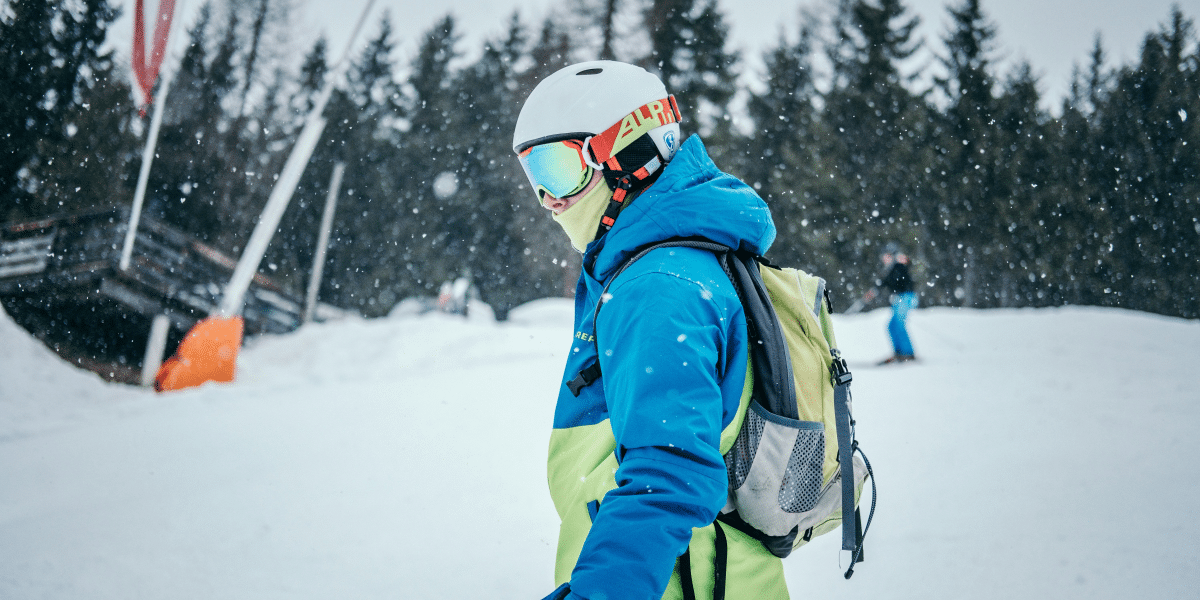
When winter arrives, Denver becomes a gateway to some of the skiing destinations in the country. With world-class resorts just a short drive away, skiing enthusiasts have plenty of options to choose from.

Breckenridge Ski Resort is one of the most popular skiing destinations near Denver. Located about an hour and a half from the city, Breckenridge offers a wide variety of terrain suitable for all skill levels. From gentle groomers to challenging expert runs, this resort has something for everyone. The vibrant town of Breckenridge also provides a charming backdrop with plenty of après-ski activities.

Another top choice is Vail Ski Resort. Known for its expansive back bowls and luxurious amenities, Vail is about two hours from Denver and offers an unparalleled skiing experience. The resort features over 5,000 acres of skiable terrain, with runs that cater to beginners, intermediates, and experts. The picturesque village of Vail adds to the experience, with its European-inspired architecture and high-end dining and shopping options.

For those looking for a more laid-back and less crowded option, Eldora Mountain Resort is a great choice. Located just 21 miles west of Boulder, Eldora is one of the closest ski resorts to Denver, making it perfect for a day trip. The resort offers a variety of terrain, including groomed runs, tree skiing, and terrain parks. Its convenient location and friendly atmosphere make it a favorite among locals and families.

Denver’s outdoor adventure opportunities are vast and varied, catering to enthusiasts of all kinds. Whether you’re hiking the scenic trails of Red Rocks and Mount Falcon, biking along the Cherry Creek Trail or the challenging paths of Apex Park, or hitting the slopes at Breckenridge, Vail, or Eldora, there’s no shortage of activities to enjoy. Embrace the natural beauty and thrill of adventure that Denver and its surroundings have to offer.

Planned Trips or Spontaneous Travel: What’s Your Style?

Travel choices often reflect individual preferences and can shape the entire experience. Some travelers thrive on structured itineraries, while others embrace the freedom of spontaneity. Both approaches offer unique opportunities, making the choice a personal one.

Let’s explore these two travel styles and their impact on the overall journey.

What Defines a Planned Trip?

Planned travel is built on preparation and organization. Travelers research destinations, secure accommodations, and schedule activities before departure. This approach suits those who value certainty and enjoy reducing potential stress by having a clear roadmap.

Consider someone visiting Rome with a well-organized itinerary. They might pre-book a tour of the Colosseum, arrange tickets for the Vatican Museum, and reserve a spot at a top-rated trattoria. These steps ensure they make the most of their time and avoid unexpected hiccups.

However, planned trips can sometimes feel rigid. While a structured schedule ensures efficiency, it may leave little room for unanticipated opportunities, such as exploring a hidden alley or spending extra time at a favorite spot.

Why Do Some Prefer Spontaneous Travel?

Spontaneous travel thrives on flexibility. With little or no itinerary, decisions are made on the go. This style appeals to those who enjoy the excitement of discovery and appreciate the freedom to change plans at a moment’s notice.

Imagine arriving in a vibrant new city with no fixed schedule. A traveler might stumble upon a charming café, take an impromptu walking tour, or strike up a conversation with locals who recommend hidden gems. These unplanned experiences often become the highlights of a trip.

While spontaneous travel offers unparalleled freedom, it’s not without challenges. Without advance preparation, travelers may face fully booked hotels, higher costs, or missed opportunities. Yet for many, the unpredictability is part of the adventure.

Who Benefits Most from a Structured Itinerary?

For those who value structure, planned trips offer peace of mind. Families, in particular, often prefer this approach, as it helps streamline logistics and ensure everyone’s needs are met. Knowing where to stay and what to do can reduce stress and allow for a more relaxing vacation.

This style also works well for travelers with limited time. A weekend in a bustling city, for example, benefits from a well-thought-out itinerary to make the most of every moment. Additionally, those visiting destinations with limited availability, such as popular attractions or seasonal events, find planning essential.

What Makes Unplanned Adventures So Appealing?

Spontaneous travel attracts free spirits and those who love living in the moment. Solo travelers often enjoy this approach, as it allows them to follow their instincts without considering others’ preferences. This freedom fosters deeper connections with places and people.

Adventure-seekers also gravitate toward spontaneity. Whether hiking a trail discovered last-minute or exploring a town not on the map, these travelers cherish the thrill of the unexpected. For many, the lack of a fixed plan enhances creativity and curiosity.

Even those with busy schedules may find spontaneous getaways refreshing. A last-minute road trip or a surprise weekend abroad can feel like an escape from the pressures of routine.

Can These Styles Be Combined?

Blending planned and spontaneous travel offers the best of both worlds. Many travelers book flights and accommodations in advance but leave daily activities open to exploration. This approach provides a foundation of security while maintaining the flexibility to adapt.

For instance, a traveler visiting Tokyo might secure lodging and a few key experiences, such as a sushi-making class or a tour of the Tsukiji Market. The rest of their time, however, could be spent wandering neighborhoods like Shinjuku or Harajuku, allowing for unplanned discoveries.

How Does Personality Shape Travel Preferences?

The choice between planned and spontaneous travel often aligns with individual traits. Planners tend to appreciate details, organization, and predictability, while spontaneous travelers enjoy adaptability and the thrill of the unknown. Both styles can be equally rewarding, depending on personal comfort levels.

Some travelers might even switch styles based on circumstances. A romantic getaway might lean toward spontaneity, while a family trip to a theme park could require extensive planning. The ability to adapt one’s approach can enhance the overall travel experience.

What Role Do External Factors Play?

External circumstances can influence whether planning or spontaneity is more practical. Peak travel seasons, for instance, often necessitate advance bookings to secure accommodations and experiences. Similarly, destinations with limited infrastructure might require more preparation to ensure a smooth trip.

Conversely, off-season travel or visits to less popular destinations allow for greater flexibility. With fewer crowds and lower demand, travelers have more freedom to explore without constraints. Recognizing these factors can help make the decision between planned and spontaneous travel easier.

What Can Travel Teach About Preferences?

Travel reveals more than just destinations—it offers insight into personal preferences and priorities. Planners often carry their organizational skills into other aspects of life, while spontaneous travelers embrace change and adaptability. Understanding these tendencies can enhance future trips and foster self-awareness.

Experimenting with both styles can be a valuable learning experience. A combination of planned and spontaneous travel allows individuals to discover what resonates most and create meaningful, personalized adventures.

What Style Best Suits You?

Choosing between planned trips and spontaneous travel depends on individual preferences, circumstances, and even the destination itself. While one style emphasizes structure and certainty, the other celebrates freedom and adventure.

Ultimately, the most rewarding journeys aren’t defined by plans or lack thereof—they’re shaped by the memories created along the way. Whether meticulously organized or blissfully unplanned, every trip offers the chance to connect with new places and experiences, making each journey uniquely special.

A Guide to Public Transportation in Denver

Denver, known for its scenic mountain views and outdoor adventures, is also home to a robust public transportation system. Whether you’re a resident or just visiting, navigating the city using public transit can be a convenient and eco-friendly way to get around. But how does public transportation work in Denver, and what are the best options for travelers?

What Public Transportation Options Are Available in Denver?

The heart of Denver’s public transportation system is managed by the Regional Transportation District (RTD). RTD operates a wide network of buses, light rail, and commuter trains that serve the city and surrounding areas. For locals and visitors alike, the RTD system provides easy access to downtown Denver, suburbs, and major attractions.

Buses are the most widely used form of public transportation in the city. The RTD bus system covers a wide area, offering frequent services throughout Denver’s neighborhoods and into nearby cities. Whether you’re traveling short distances or need a ride to the suburbs, buses are an affordable and reliable option. RTD’s Free MallRide and MetroRide services, which operate along the popular 16th Street Mall in downtown Denver, are especially helpful for tourists. These buses are free and run every few minutes, making it easy to explore the downtown area without the hassle of parking.

In addition to buses, Denver’s light rail system is a popular mode of transportation for both commuters and visitors. The light rail operates on several lines that stretch across the Denver metropolitan area, offering an efficient way to travel between the city center and outlying suburbs. It’s particularly convenient for accessing sporting events or entertainment venues like Empower Field at Mile High or the Ball Arena.

For those traveling to and from Denver International Airport (DIA), the A Line commuter train offers a direct route from downtown’s Union Station to the airport. The trip takes just 37 minutes, providing a stress-free alternative to driving and parking. Union Station, the city’s main transportation hub, connects travelers with buses, light rail, and the commuter train, making it an essential stop for anyone navigating Denver by public transport.

How Can You Use the RTD System?

Using Denver’s public transportation system is relatively straightforward. The RTD offers several tools to make planning and paying for trips easy. One of the most convenient ways to navigate the RTD system is through their RTD Mobile Tickets app. The app allows users to purchase tickets, check schedules, and plan routes directly from their smartphones. For those who prefer physical tickets, fares can also be purchased at ticket machines located at major stops and stations.

Denver’s fare system is based on a zone structure, with different prices depending on how far you travel. There are three main fare levels: local, regional, and airport. If you’re staying within Denver’s city limits, most of your trips will fall under the local fare category, which is the cheapest option. However, if you’re heading to the airport or taking a longer journey to the outskirts of the city, the fare will be higher.

For frequent travelers, RTD offers day passes and monthly passes, which provide unlimited rides for a set period. These passes are great for commuters or tourists who plan to use public transportation frequently. Reduced fare options are also available for seniors, students, and individuals with disabilities.

One of the advantages of Denver’s public transportation system is its bike-friendly policies. Many of the buses and trains are equipped to accommodate bicycles, allowing cyclists to combine biking with public transit for a more flexible and sustainable way to travel. The city also has a bike-sharing program, Denver B-cycle, with stations located throughout downtown, making it easy to switch between biking and public transportation.

What Are the Benefits of Using Public Transportation in Denver?

Public transportation in Denver is not only convenient but also offers several benefits for both residents and visitors. For one, using RTD services is a more sustainable way to travel, helping reduce traffic congestion and lowering your carbon footprint. In a city that prides itself on outdoor beauty and environmental consciousness, choosing public transportation supports Denver’s green initiatives.

Another advantage is avoiding traffic and parking hassles. Denver, like many growing cities, can experience congestion, especially during peak hours or major events. Using buses, light rail, or commuter trains can save time and frustration by bypassing busy streets and eliminating the need to find parking. This is particularly helpful in downtown areas where parking can be limited or expensive.

For tourists, Denver’s public transportation system offers an affordable way to visit the city’s top attractions. Whether you’re exploring cultural sites like the Denver Art Museum or heading to the foothills for a hike, public transit provides an easy way to get around without the need for a rental car. For families or large groups, using public transportation can also be a budget-friendly option, as it reduces costs associated with gas, parking, and rental fees.

Additionally, public transit in Denver offers a great opportunity to experience the city like a local. Riding the bus or light rail gives travelers a chance to see different neighborhoods and interact with Denverites in a way that’s often missed when driving.

Denver’s public transportation system offers a convenient, affordable, and eco-friendly way to navigate the city and its surrounding areas. With buses, light rail, and commuter trains, the RTD system makes it easy to reach major destinations without the stress of traffic or parking. Whether you’re commuting to work, catching a flight, or visiting Denver’s attractions, public transit provides an efficient solution for getting around.

By taking advantage of the RTD Mobile Tickets app, flexible fare options, and bike-friendly policies, both locals and tourists can enjoy all that Denver has to offer with ease. From the scenic route to the airport via the A Line to the free shuttles downtown, public transportation in Denver offers an enjoyable way to explore this vibrant city.

Declutter Your Home: Simple Steps to Stay Organized

Why Does Clutter Happen?

Clutter develops gradually and often unnoticed. It may begin with a few misplaced items or a crowded drawer. Over time, these small collections grow into larger piles, creating a sense of disarray. Life’s constant demands make it easy to accumulate belongings without taking the time to organize them. Recognizing why clutter occurs is an essential step toward maintaining a tidy space.

A major reason behind clutter is emotional attachment. Many people hold onto items because they represent memories or sentimental value. Another contributing factor is the “just in case” mindset—keeping items that might be useful someday. Additionally, not having a consistent system to sort and store possessions leads to accumulation. Understanding these causes can help guide decisions and habits to reduce clutter.

What Are the Benefits of an Organized Home?

An organized home can significantly improve daily life. A clutter-free environment fosters a sense of calm and focus, reducing feelings of overwhelm. When everything has its place, it becomes easier to navigate the space and complete tasks efficiently. Living in an organized home can also have emotional benefits, as it encourages a sense of control and accomplishment.

Time-saving is another advantage of staying organized. Knowing where to find items eliminates the frustration of searching through messy areas. Financially, an organized home helps avoid unnecessary purchases. For instance, when items are visible and accessible, it reduces the likelihood of buying duplicates. Beyond these practical benefits, an orderly space often translates into a more peaceful mindset.

How Can You Start Decluttering?

Beginning the process of decluttering may feel intimidating, especially when faced with years of accumulated items. The key is to focus on one small area at a time. Tackling a single drawer, shelf, or corner allows for steady progress without the process feeling overwhelming.

Choosing areas that impact daily life—such as the kitchen countertop, living room table, or bedroom—can be particularly effective. These spaces are often used frequently and serve as visible reminders of your efforts. As items are sorted, it’s important to consider whether each one adds value to your life or if it can be donated, recycled, or discarded.

Asking straightforward questions while sorting can help. Does the item serve a purpose? Is it something regularly used? If not, it might be time to let it go. Starting small and working methodically builds confidence and encourages ongoing progress.

How Should Sentimental Items Be Handled?

Deciding what to do with sentimental belongings can be one of the hardest parts of decluttering. While it’s natural to hold emotional connections to certain items, keeping too many can lead to unnecessary clutter. It’s important to strike a balance between honoring memories and creating a functional space.

Start by identifying a few items that carry the most meaning. These should be items that truly represent special moments or people. For items like old photographs or letters, consider digitizing them. This method preserves the memory without taking up physical space.

When it comes to heirlooms or other significant possessions, consider their practical value. If an item isn’t actively used or displayed, passing it on to someone who will appreciate it may be a better option. This process isn’t about discarding memories but creating space for more meaningful living.

How Can You Maintain Organization in the Long Term?

Decluttering is only part of the journey. Maintaining an organized home requires creating routines and systems that suit your lifestyle. Daily habits, like returning items to their designated places, prevent clutter from reappearing. These small, consistent actions make a big difference over time.

A helpful strategy is adopting a “one in, one out” rule. For every new item brought into the home, an older or unused item is let go. This practice helps maintain balance and prevents accumulation.

Regularly reviewing your belongings is another important step. Seasonal check-ins provide opportunities to evaluate what is used and needed. It’s a chance to reassess the purpose of items and decide whether they continue to serve a role in your home. By staying mindful of what enters and remains in your space, clutter is less likely to return.

Mindful purchasing habits also contribute to long-term organization. Before bringing something new into the home, consider its purpose and whether it aligns with your needs. Avoiding impulse purchases and focusing on intentional decisions reduces unnecessary accumulation.

Why Is Decluttering a Valuable Investment?

Decluttering is more than just organizing a space—it’s an investment in creating an environment that supports your goals and well-being. An organized home enhances daily routines, making it easier to focus on what matters most. It also promotes a sense of mindfulness, encouraging thoughtful decisions about what to keep and what to let go.

The process of letting go can also foster personal growth. Releasing excess belongings often symbolizes moving forward and creating room for new opportunities. This shift in mindset extends beyond physical spaces, influencing time management, relationships, and overall mental clarity.

An organized home contributes to a sense of peace and simplicity, which can improve emotional health. It’s not about achieving perfection but about creating a space that reflects what is most important in life. The benefits of this approach reach beyond the immediate surroundings, positively influencing other aspects of life.

Decluttering may feel overwhelming at first, but with small steps and consistent habits, it becomes manageable. By focusing on meaningful items, creating systems to stay organized, and embracing mindful choices, it’s possible to create a home that feels welcoming, functional, and peaceful. These efforts provide lasting rewards, helping individuals stay organized and enjoy a more balanced life.

How to Choose the Right Educational Path in Denver

Denver, the vibrant capital city of Colorado, has become a hub for educational opportunities at every level. Whether you’re a prospective college student, a parent searching for the best schools for your children, or a professional seeking ongoing education, Denver offers a wide range of options. This article provides an overview of the educational landscape in Denver, highlighting key institutions, programs, and opportunities available for individuals and families.

What Are the Top Higher Education Institutions in Denver?

Denver boasts a strong higher education network, with institutions offering everything from undergraduate degrees to graduate and professional programs. University of Denver (DU), one of the city’s most renowned universities, provides a broad spectrum of academic programs, including arts, business, law, and social sciences. DU is known for its commitment to research, diverse student body, and close ties to the local business community, offering students a robust network of opportunities post-graduation.

Another key institution is Metropolitan State University of Denver (MSU Denver), a public university that offers a more affordable path to higher education. MSU Denver is particularly known for its flexible programs that cater to working adults, with a strong emphasis on preparing students for careers in the local economy, such as business, health sciences, and criminal justice.

For those interested in community colleges, Community College of Denver (CCD) provides an accessible option for students seeking associate degrees, certifications, and a pathway to four-year universities. CCD also offers excellent workforce development programs, making it an ideal choice for those looking to quickly enter the job market with in-demand skills.

What Are the Best K-12 Schools in Denver?

Denver is home to numerous K-12 schools, including both public and private institutions, that cater to a diverse range of students. The city’s public school system, Denver Public Schools (DPS), serves over 90,000 students across various schools with a focus on creating an equitable education experience. DPS is committed to offering specialized programs, such as gifted and talented education, bilingual education, and STEM-focused curricula, ensuring that each student can thrive according to their individual needs.

In addition to the traditional public schools, Denver has a variety of charter schools that offer unique educational approaches. For example, Denver School of the Arts (DSA) provides a rigorous arts-focused education for students interested in pursuing careers in the creative industries. DSA is known for producing successful alumni in fields such as music, theater, and dance.

Private education is also a significant option in Denver. Institutions like Regis Jesuit High School and The Denver Waldorf School offer different educational philosophies, from religious-based curricula to progressive, holistic education models. These private institutions are often smaller, with more personalized attention, and they tend to have higher tuition fees compared to public options.

How Can Adult Learners and Professionals Benefit from Education in Denver?

Denver’s educational landscape isn’t limited to students pursuing traditional academic paths. Adult learners and professionals seeking to enhance their skills or pivot careers will find a wealth of opportunities in the city. Numerous programs cater to this demographic, offering both part-time and full-time study options.

University of Denver’s University College, for example, offers flexible online and in-person graduate programs tailored for professionals. Programs range from business administration and leadership to information technology and data analytics. These programs are designed to accommodate working adults by offering evening and weekend classes, allowing students to continue their careers while advancing their education.

Additionally, organizations like Denver’s Workforce Development Center provide targeted skills training, job placement programs, and adult education courses to help individuals transition into new careers or enhance their existing skill set. The center focuses on sectors that are in high demand, including healthcare, IT, and manufacturing.

What Are Some Unique Educational Initiatives in Denver?

In recent years, Denver has made significant strides in educational innovation, particularly in programs designed to support underserved communities. One such initiative is the Denver Opportunity Scholarship Fund, which aims to provide financial support to low-income students pursuing post-secondary education. The fund offers scholarships for both traditional students and non-traditional learners, giving a boost to individuals who may otherwise face financial barriers to higher education.

Denver has also invested heavily in STEM education, with schools and organizations promoting science, technology, engineering, and math to students from an early age. Programs like Denver Kids Inc. and The Denver Museum of Nature & Science are fostering interest in STEM subjects through hands-on learning experiences. These initiatives help equip students with the skills necessary to succeed in an increasingly tech-driven world.

For those seeking specialized education, Denver is home to several institutions focused on sustainability and environmental studies. The University of Denver’s sustainability programs and The Denver Green School prepare students to tackle pressing environmental challenges and create sustainable solutions in a variety of fields.

How Can Families Choose the Best Educational Options in Denver?

Choosing the best educational option for your child or family in Denver can feel overwhelming given the wide array of choices. However, there are several factors to consider that can help narrow down your options. When evaluating K-12 schools, families should consider the school’s academic performance, extracurricular opportunities, school culture, and support services. It’s also important to assess the school’s location and whether it aligns with the family’s values and needs.

For higher education, prospective students should evaluate programs based on their career goals and the reputation of the institution in their chosen field. Many universities offer campus tours, faculty meetings, and information sessions to help prospective students make informed decisions.

One of the most valuable resources when choosing educational opportunities is talking to people who have firsthand experience. Talking to current students, alumni, and educators can provide valuable insights that official brochures or websites cannot offer.

How Does Denver Support Lifelong Learning?

Lifelong learning is becoming increasingly important as industries and technologies evolve. Denver supports lifelong learning through various adult education programs, community workshops, and non-degree courses offered by institutions like The Denver Public Library, Colorado Free University, and The University of Denver.

These resources offer classes on everything from languages to financial literacy, arts and culture, and technology. For professionals, there are also numerous industry-specific certification programs designed to enhance skills and meet the demands of a rapidly changing job market.

Denver’s growing entrepreneurial ecosystem supports aspiring business owners with educational opportunities aimed at building key skills such as leadership, innovation, and management. The Denver Small Business Development Center (SBDC) offers workshops and one-on-one consultations, empowering entrepreneurs to expand their knowledge and grow their businesses.